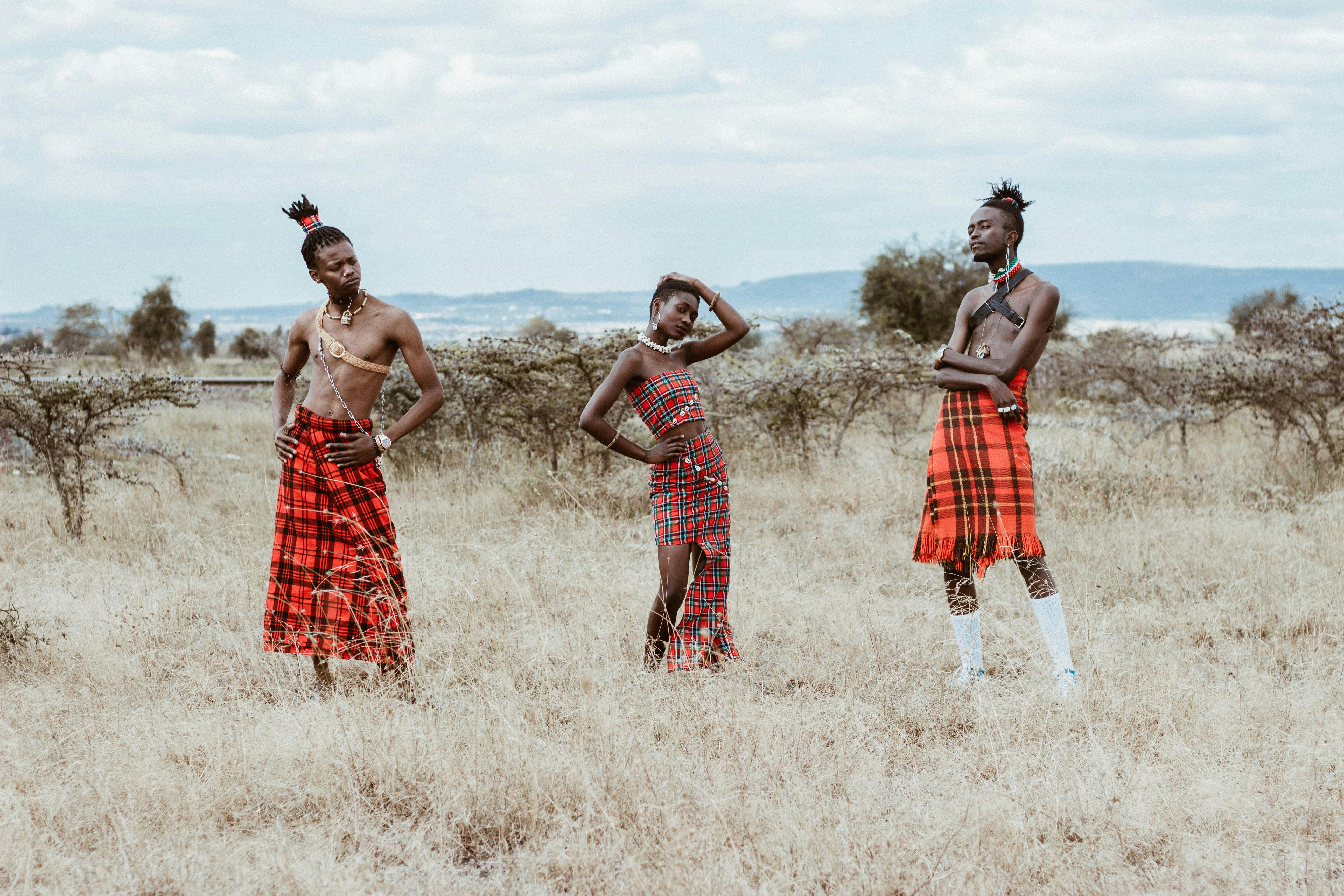
Kenya's Masai Mara: Walking with Warriors
The Masai Mara is Africa at its most raw and magnificent. This vast savanna ecosystem, stretching across southwestern Kenya, is home to an extraordinary concentration of wildlife and the ancestral homeland of the Maasai people. My time here was a profound reminder that some experiences can only be felt, never fully described.
Dawn on the Savanna
My first game drive began in the pre-dawn darkness, bouncing along dirt tracks in an open-top Land Cruiser with a blanket around my shoulders against the morning chill. As the sun crept above the horizon, the savanna came alive in shades of gold and amber. Within the first hour, we spotted a pride of lions resting in the tall grass, a pair of cheetahs scanning the plains from a termite mound, and a tower of giraffes silhouetted against the sunrise.
The sheer density of wildlife in the Mara is staggering. Herds of zebra and wildebeest dotted the landscape as far as the eye could see. Hippos wallowed in the Mara River, and a leopard dozed in the branches of a sausage tree. Our guide, a Maasai man named Daniel, could spot animals I couldn't see with binoculars, and his knowledge of animal behavior was encyclopedic.
The Maasai Village
One afternoon, Daniel took me to visit his family's manyatta (homestead). The Maasai community welcomed me with traditional songs and the rhythmic jumping dance that Maasai warriors are famous for. Inside the boma (enclosure), surrounded by a fence of acacia thorns, I learned about their semi-nomadic lifestyle, their deep connection to their cattle, and how they're balancing tradition with the modern world.
Daniel's mother showed me how she builds the family homes from a mixture of cow dung, mud, and sticks. His father, an elder, shared stories about living alongside lions and elephants. It was humbling to witness a culture so deeply rooted in the land.
Hot Air Balloon Over the Mara
The most memorable moment came at dawn on my last day: a hot air balloon ride over the Masai Mara. Floating silently over the savanna as the sun rose, I watched the shadow of our balloon drift over herds of elephants and a river crossing of wildebeest below. It was the most peaceful and awe-inspiring hour of my life.
Essential Tips
- Best Time: July to October for the Great Migration river crossings; January to February for calving season
- Accommodation: Choose a conservancy camp over the main reserve for fewer crowds and walking safaris
- Clothing: Neutral colors (khaki, olive, brown); no bright whites or blacks
- Health: Malaria prophylaxis is essential; bring strong insect repellent
- Photography: A 200-400mm lens is ideal; early morning and late afternoon light is magical
Kenya's Masai Mara is more than a safari destination - it's a place where you reconnect with something primal and essential. Standing on those endless plains, surrounded by wildlife that has roamed here for millennia, I felt both incredibly small and deeply alive.
Have your own travel story to share?
Share Your Story