Bangkok: Street Food Capital of the World
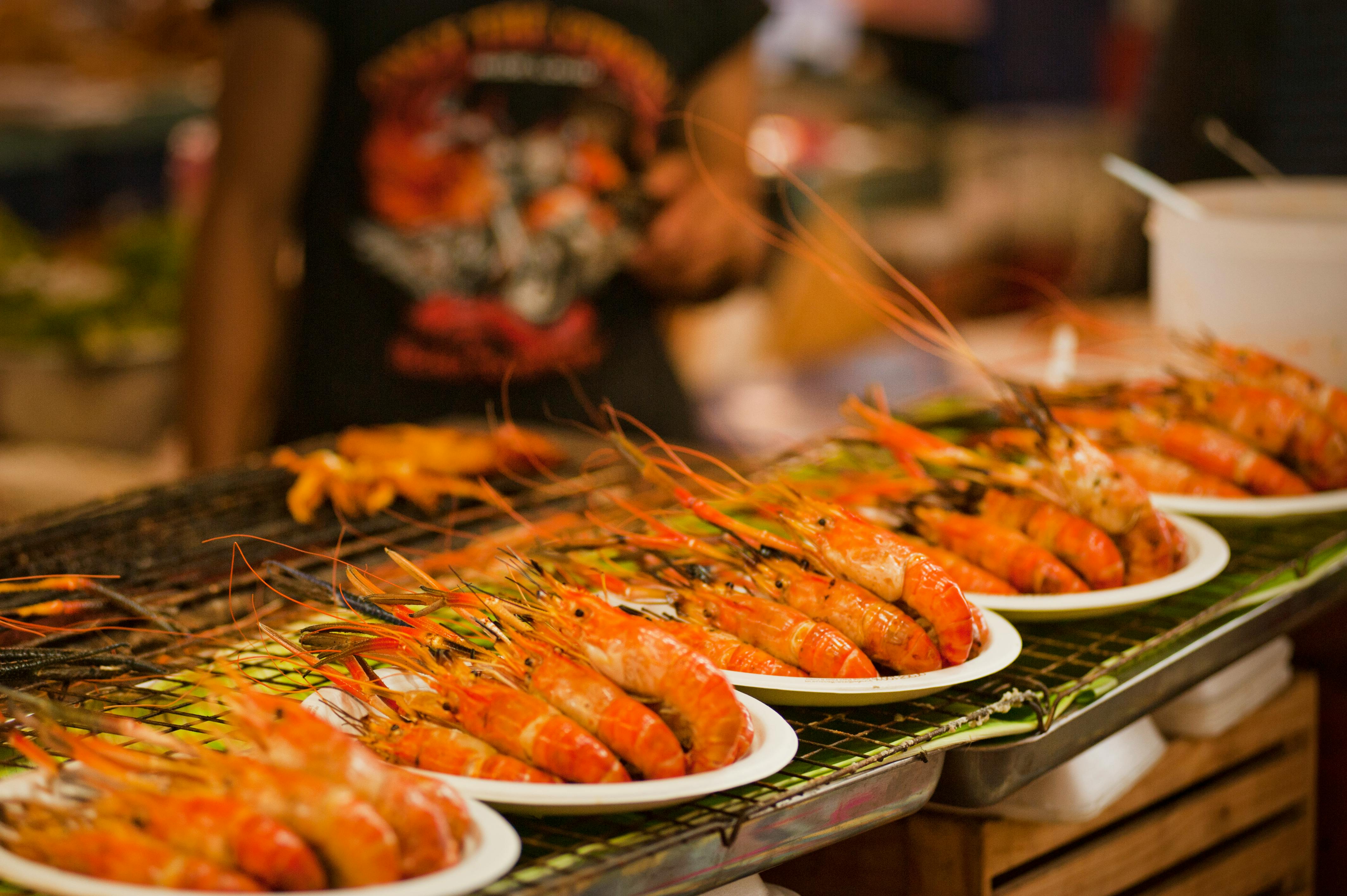
Bangkok is a city that assaults your senses in the most wonderful way. The heat hits you the moment you step outside, the traffic is an endless river of tuk-tuks and motorbikes, and the smells - oh, the smells. Wok flames shooting skyward, garlic sizzling in oil, the sweet perfume of ripe mango, the pungent kick of fish sauce. Bangkok's street food scene is legendary for good reason: it might just be the best food city on the planet.
Chinatown: Yaowarat After Dark
My first evening in Bangkok took me straight to Yaowarat Road, the beating heart of Bangkok's Chinatown. After sunset, the street transforms into an open-air food festival stretching as far as the eye can see. I started with pad thai cooked in a flaming wok by a woman who has been working the same corner for thirty years. The noodles were smoky, tangy, and impossibly fresh.
From there, I moved to a seafood stall serving tom yum goong - the quintessential Thai soup. The broth was electric: sour with lime, fiery with chili, fragrant with lemongrass and galangal. A bowl costs about 60 baht (less than two euros). I couldn't believe food this good could be this cheap.
The Grand Palace and Wat Pho
Bangkok isn't just food - its temples are extraordinary. The Grand Palace complex, with its glittering spires and detailed murals, is overwhelming in its opulence. Next door, Wat Pho houses the massive reclining Buddha, 46 meters long and covered in gold leaf. I arrived early in the morning and had the space almost to myself, the only sounds the distant chanting of monks.
Floating Markets and Hidden Canals
Beyond the main tourist circuit, I took a longtail boat through Bangkok's canal network (khlongs). The city was once called the "Venice of the East," and exploring these waterways reveals a quieter, more traditional Bangkok. I visited a smaller floating market at Khlong Lat Mayom, where local families sell homemade curries, grilled prawns, and coconut ice cream from their boats.
Essential Tips
- Best Time: November to February for cooler, drier weather (though it's always hot)
- Street Food Safety: Eat where the locals eat and where the turnover is high - freshness is key
- Transportation: Use the BTS Skytrain and MRT metro to avoid traffic; Grab app for taxis
- Temples: Dress respectfully - covered shoulders and knees are required
- Budget: Street meals cost 40-80 baht (EUR 1-2); Bangkok is incredibly budget-friendly
Bangkok taught me that the best food doesn't come from Michelin-starred restaurants - it comes from plastic stools on a hot sidewalk, served by someone who has perfected a single dish over decades. It's a city that feeds your body and soul in equal measure.
Have your own travel story to share?
Share Your Story