Diving the Great Barrier Reef: An Underwater Paradise

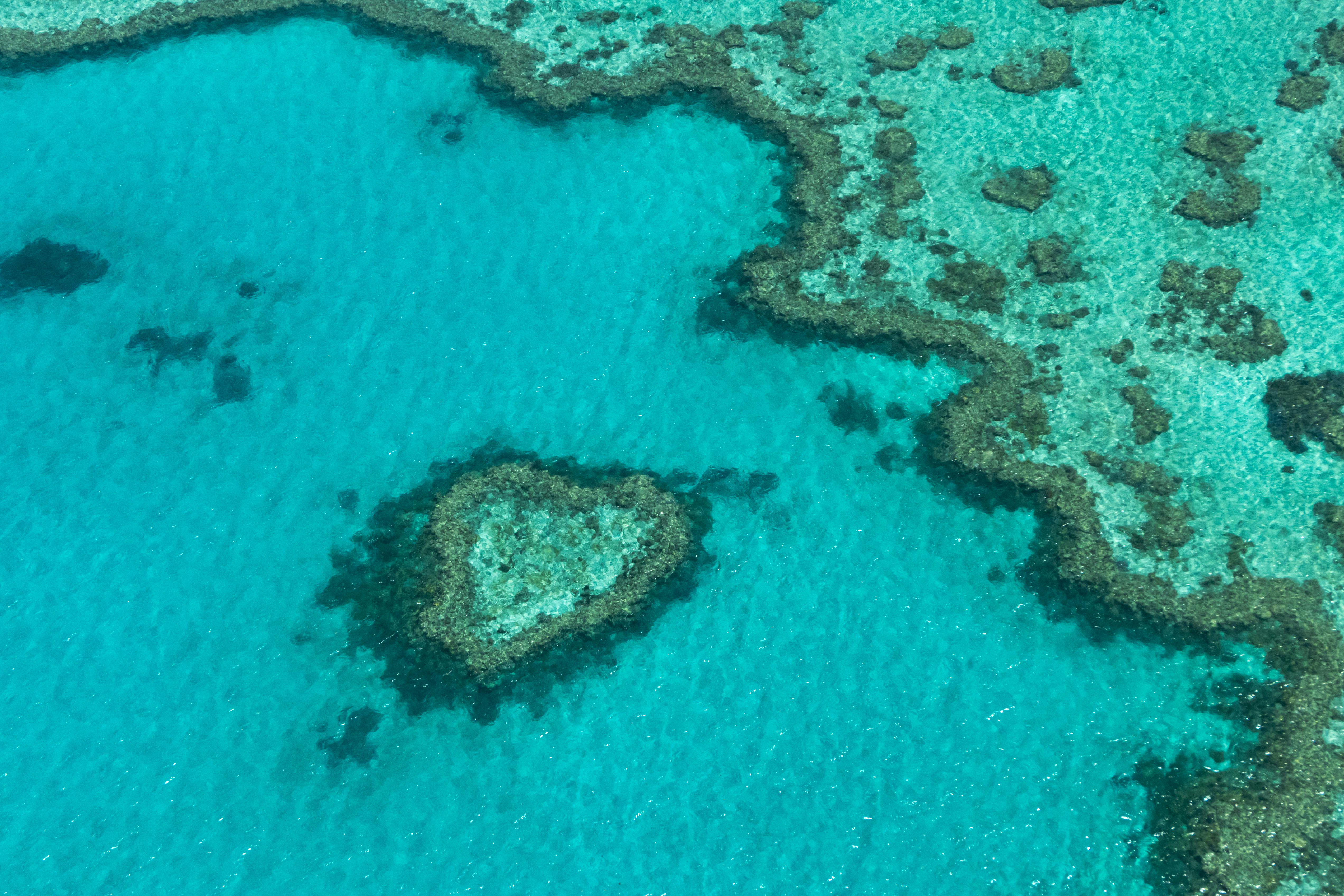
The Great Barrier Reef is one of those places that lives up to every ounce of its legendary reputation. Stretching over 2,300 kilometers along Australia's northeast coast, it's the largest living structure on Earth - visible even from space. Dropping beneath the surface for the first time was like entering another world entirely.
Cairns: The Gateway
Most reef adventures begin in Cairns, a laid-back tropical city in Far North Queensland. I boarded a high-speed catamaran early in the morning, and within ninety minutes we were anchored at the outer reef. The anticipation was electric - I'd dreamed of this moment since watching nature documentaries as a kid.
The first plunge into the warm, crystal-clear water took my breath away. Below me, a vast garden of coral stretched in every direction - branching staghorn corals, massive brain corals, and delicate fan corals swaying gently in the current. Schools of electric-blue damselfish darted between the formations.
Swimming with Sea Turtles
The highlight of the trip came on day two when a green sea turtle glided past me, seemingly unbothered by my presence. I floated alongside it for several minutes, watching it gracefully navigate the reef, occasionally dipping to nibble on sea grass. It was a deeply moving encounter - a reminder that we're guests in this underwater kingdom.
The Whitsunday Islands
From Cairns, I traveled south to the Whitsundays, an archipelago of 74 islands fringed by the reef. Whitehaven Beach, with its swirling silica sand and turquoise water, is often called the most beautiful beach in the world - and I wouldn't argue. I spent an afternoon snorkeling the fringing reefs just offshore, spotting reef sharks, giant clams, and a kaleidoscope of tropical fish.
Essential Tips
- Best Time: June to October for the best visibility and comfortable water temperatures
- Certification: Get PADI certified before your trip, or take an introductory dive course on site
- Sun Protection: Reef-safe sunscreen only - the reef is fragile and needs our protection
- Budget: Multi-day liveaboard trips offer the best value and access to remote reef sections
- Conservation: Never touch the coral - even the lightest contact can cause damage
The Great Barrier Reef is a living treasure, both breathtaking and fragile. Diving here isn't just an adventure - it's a privilege and a powerful reminder of why we need to protect our oceans for future generations.
Have your own travel story to share?
Share Your Story